Last year 2019, in Afghanistan presidential election there were two top candidates; Mr. Abdullah Abdullah a war lord (who’s single suit costs more than my annual salary as junior researcher in Taltech, not because he is a tech savvy, lawyer or has business in real state or oil but simply maintaining his reputation as a successful war lord). Another candidate Mr. Ashraf Ghani is world known economist, lecturer and also he was dean of Kabul University when I was studying in Faculty of Science (once he invited all students in a hall. When I arrived with my friends, he was shouting on a student and we unintentionally smiled at that poor student. In the crowd of hundreds of students, he noticed and started shouting at us, everyone was looking back at us and we also looked back as well but there was no one behind us, so we run away but we didn’t stopped smiling 🙂 ).
On 9 March 2020 Mr. Ashraf Ghani took oath of Afghan president after a long delay of announcing the presidential election results and likewise his rival Mr. Abudllah Abdullah took oath as self-claimed Afghan president in presidential palace[1]. This happens in a country which is torn by civil wars for decades. People risking their life and limb to vote. More than 50% population living under poverty line and sleeping hungry every night. Young promising students, experts and youth are killed every day by terrorists across the country. Bomb blast survivors like Shamsia Alizada still fighting against the problems of life and society, and tops University entry exam (kankor 2020) but obviously she is not praised internationally or eligible for so called “Noble Peace Prize”, and we have many real heroes like her.
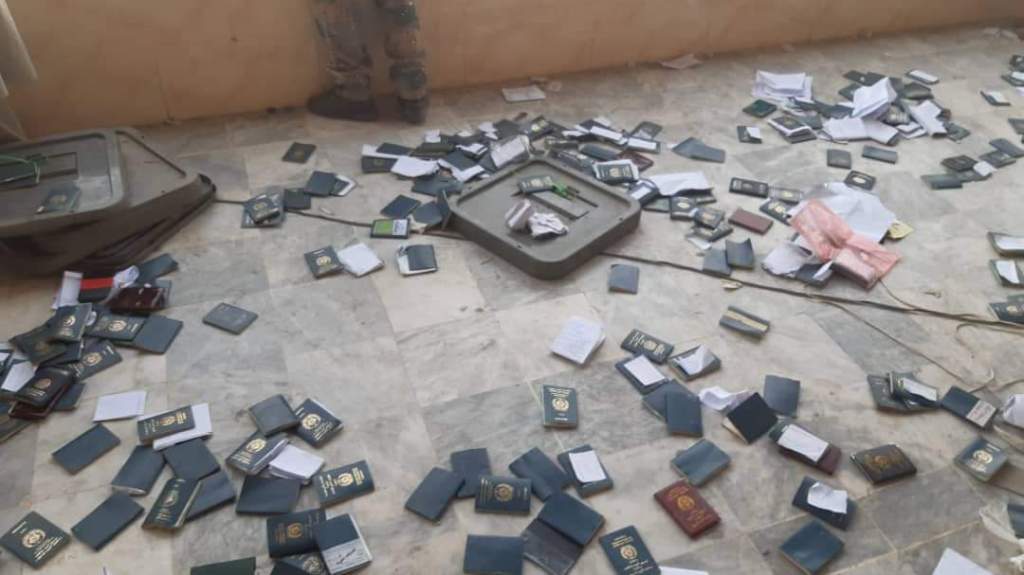
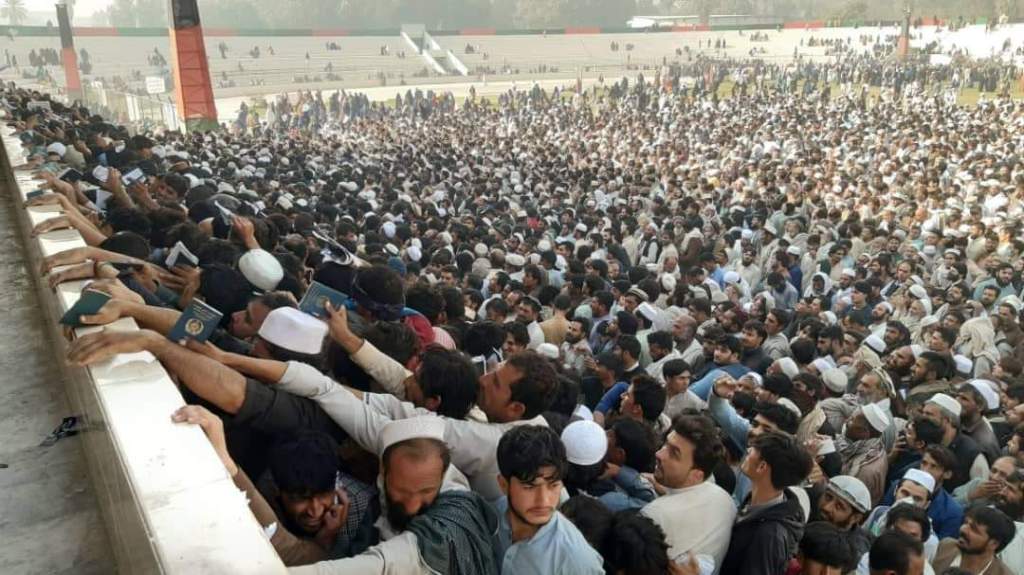
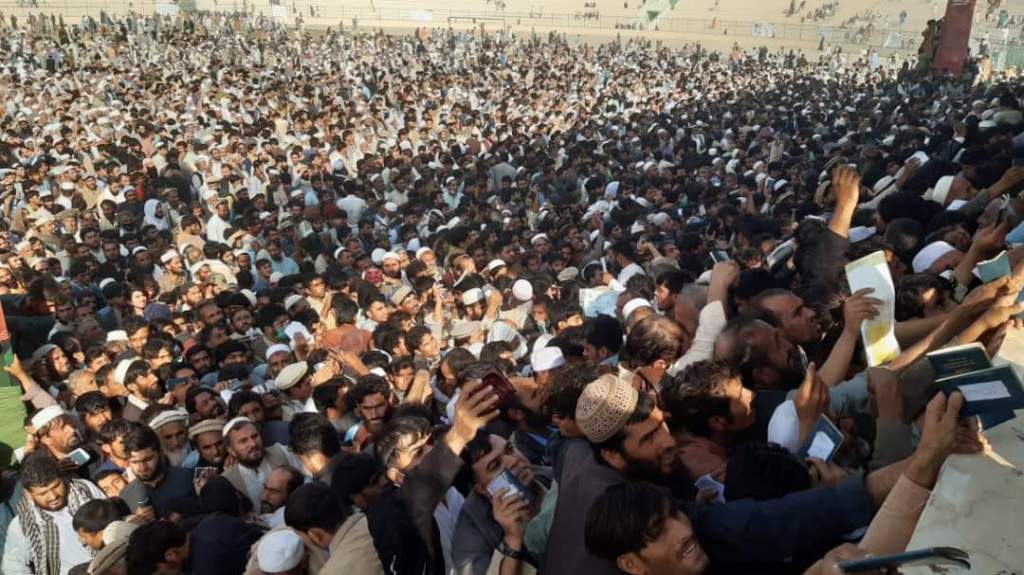
To provide short review of my master thesis research, technical glitches in 2019 presidential election as reported has made many people not being able to vote and left disappointed [5][6]. According to presidential election commission timeline the polling day was held on 28, Sep, 2019 and final presidential results should have been announced on 7, Nov, 2019 [3], but till date (14, Jan, 2019) only presidential election preliminary results were announced [1]. One of possible reasons for delay according to independent election commission management is “So far, more than 22,000 digital results forms and 25,000 physical results forms have move in to the server and in tally center. The biometrics information of 1million and 700 thousand voters also have been transferred in the system which includes Photo, face, Tazkira, fingerprints of thumbs and other specifications. Less than 4,000 digital results forms will be transferring soon to the server, and the phase of validation and separation of valid and invalid votes will be commencing. ” [2]
Polling and counting procedures for 2019 presidential elections guideline issued by independent election commission, provides detail about biometric system. Which is not alternative but additional layer of identification and verification to manual procedures of identification and verification used jointly to conduct several methods of voter identity and registration confirmation prior to voting at the same time [4], to avoid fraud.
The digital solution developed to facilitate presidential election through independent election commission was not able to achieve citizen’s satisfaction, and another possible reason for people’s disappointment and distance from government.
The digital solutions in public sector are viable and successful if it has citizen-centric and innovative approach for solving wicked problems that exists in governance of our government. We do not need to be deeply and emotionally connected with our current legacy systems. For example, independent election commission requires biometric data and purpose is to identify a voter, voter eligibility and voter registration detail. At the same time IEC also requires voter to show original ID card (tazkira), and attached with IEC voter registration certificate (It seem like abusing the use of technology or technology itself and extra administrative workload). Even though some voters with ID card, attached with IEC voter registration certificate were still not eligible for voting when their data was not shown in system after processing their biometric data, observers of election process approved it as technical glitches in election system.
The main purpose of digital transformation and innovation in public sector is never about coming up with digital solutions right away. It’s about coming up with innovative and viable solutions considering the existing context, and also bringing required changes in governance that will enable government to adopt such digital solutions in national scale.
References:
1. IEC. 2019 Presidential Elections. 2019. Retrieved January 14, 2020 from http://www.iec.org.af/results/en/home
2. IEC. Transferring of biometrics voters data to the system. 2019. Retrieved January 14, 2020 from http://www.iec.org.af/en/media-gallery/news/1011-bvv-info-20191014
3. IEC. 2019. Presidential Election 28 sep 2019. Retrieved from http://www.iec.org.af/pdf/timeline-2019-en.pdf
4. IEC. 2019. Independent Election Commission Polling & Counting Procedures for the 2019 Presidential Elections Unofficial translation. Retrieved January 14, 2020 from http://www.iec.org.af/pdf/legalframework/procedure-1398/en/1398-60.pdf
5. Ali M Latifi. 2020. Low turnout , technical glitches mark Afghan presidential election. 1–5. Retrieved from https://www.aljazeera.com/news/2019/09/turnout-technical-glitches-mark-afghan-presidential-election-190928134625155.html
6. William Malley. Afghanistan’s 2019 Election (15): Administrative and technical problems in Kabul city | Afghanistan Analysts Network. Retrieved January 6, 2020 from https://www.afghanistan-analysts.org/afghanistans-2019-election-15-administrative-and-technical-problems-in-kabul-city/
[1] https://www.nytimes.com/2020/03/09/world/asia/afghanistan-president-inauguration-ghani-abdullah-.html

 Public Sector Innovation